Wayne Charvel · 1941–2026
A Timeline of the Work Behind the Name
Wayne Charvel only owned the company carrying his name for about four years. During that time, his repair shop became part of a new way of building electric guitars—one driven as much by players and spare parts as by the manufacturers themselves.
Why I ended up looking into Wayne Charvel
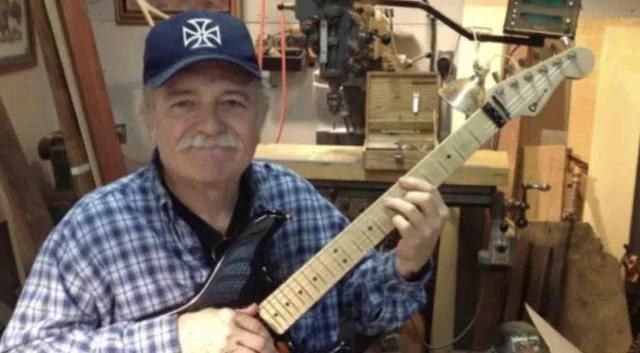
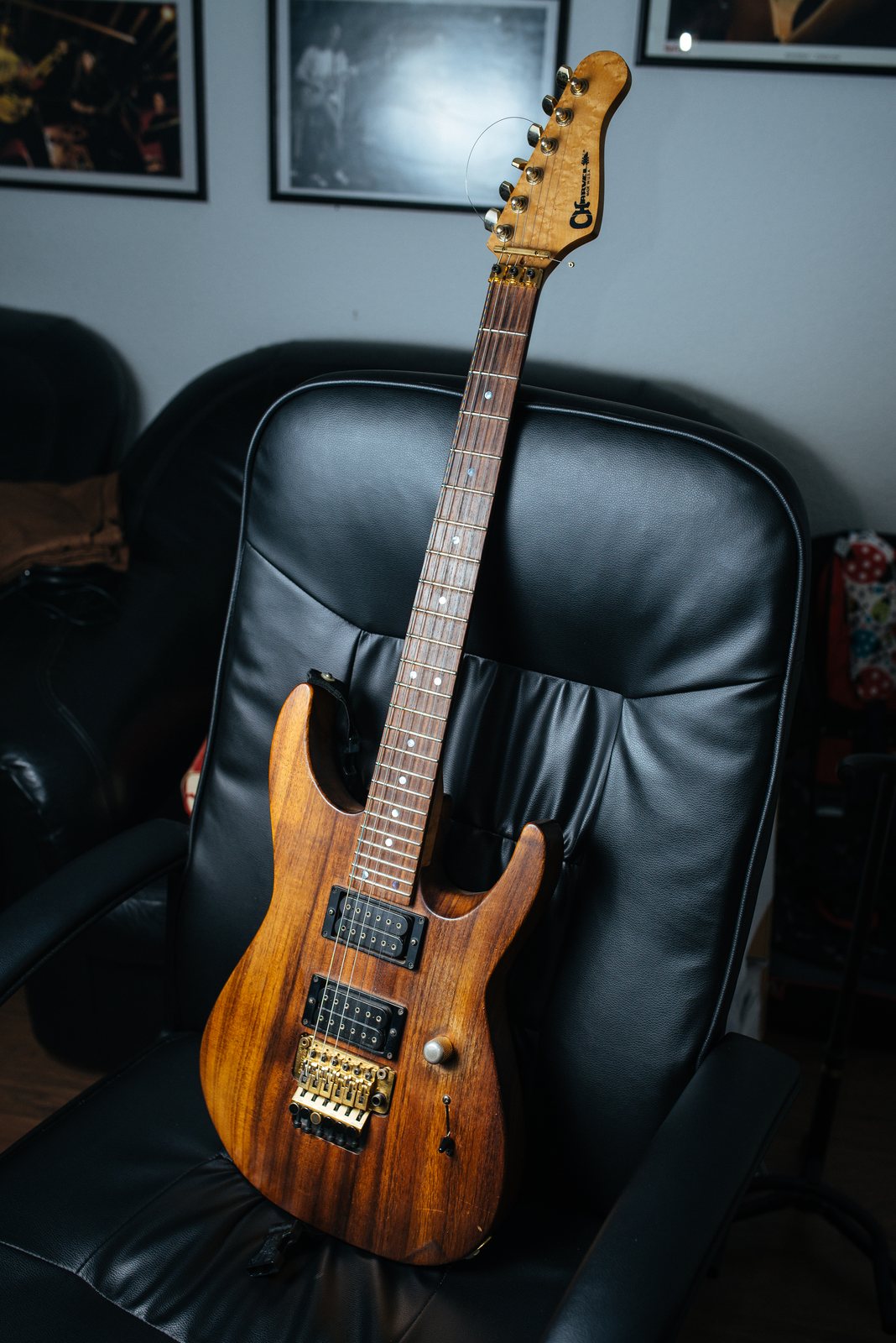
I started on Fenders, like most people do, then spent years going through other guitars without finding one that felt completely right. That stopped more or less by accident when I bought a customised 2010 Charvel So-Cal on eBay.
I own other guitars I like, but the So-Cal is still the one I would have the hardest time replacing. Wayne Charvel had been gone from the company for more than thirty years by the time it was made, which made me curious about how much of the guitar still traced back to the man whose name was on the headstock.
Wayne began as a spray painter and guitar refinisher, opened Charvel’s Guitar Repair in 1974 and sold the business to Grover Jackson in 1978. He continued designing and building afterwards through B.C. Rich, Gibson, independent custom work and eventually Wayne Guitars with his son Michael.
1941–1960
A Stratocaster and a tin of paint
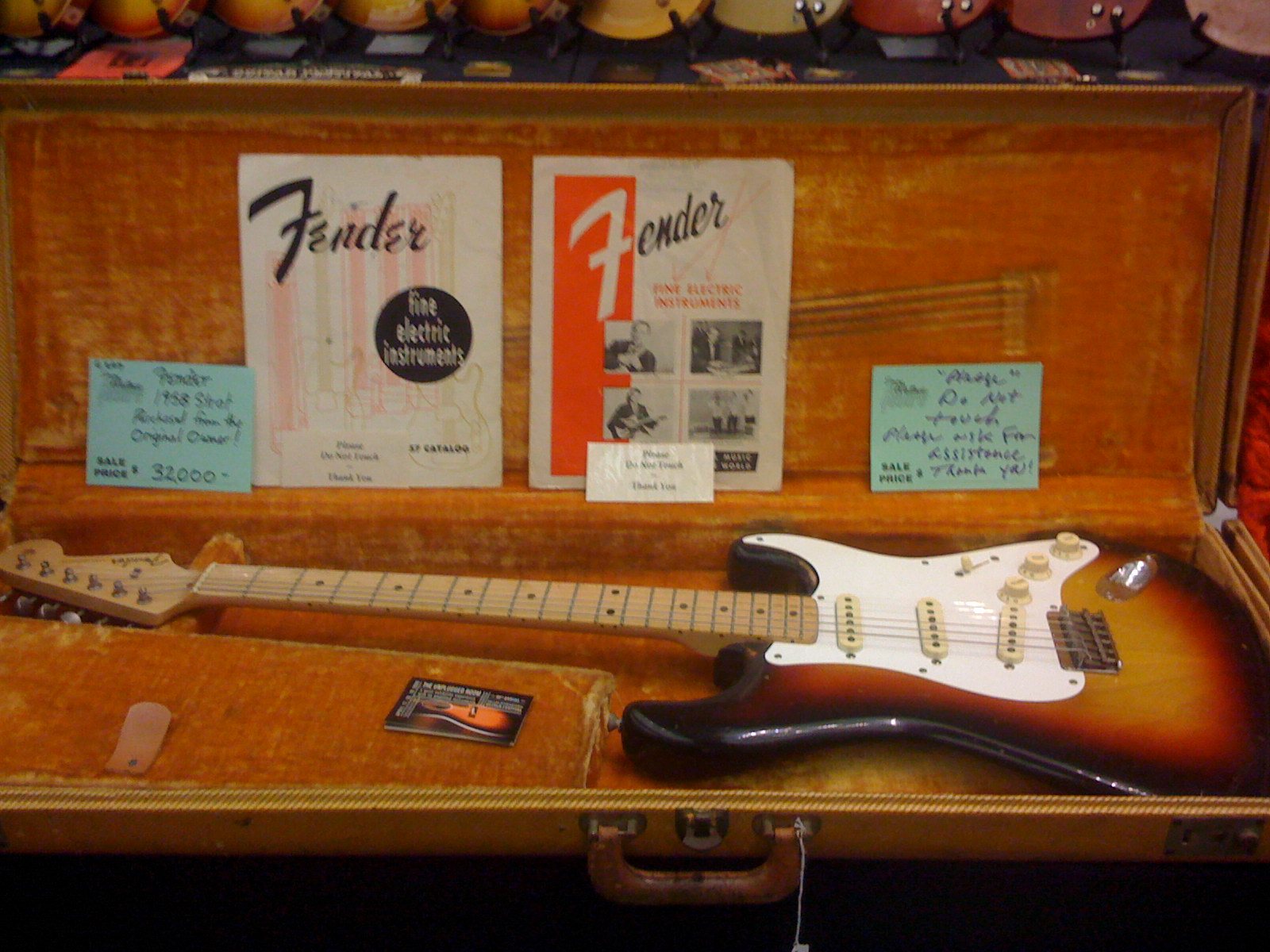
Wayne Richard Charvel was born on 1 July 1941. He bought his first new Fender Stratocaster in 1959 while working as a spray painter in a sign shop.
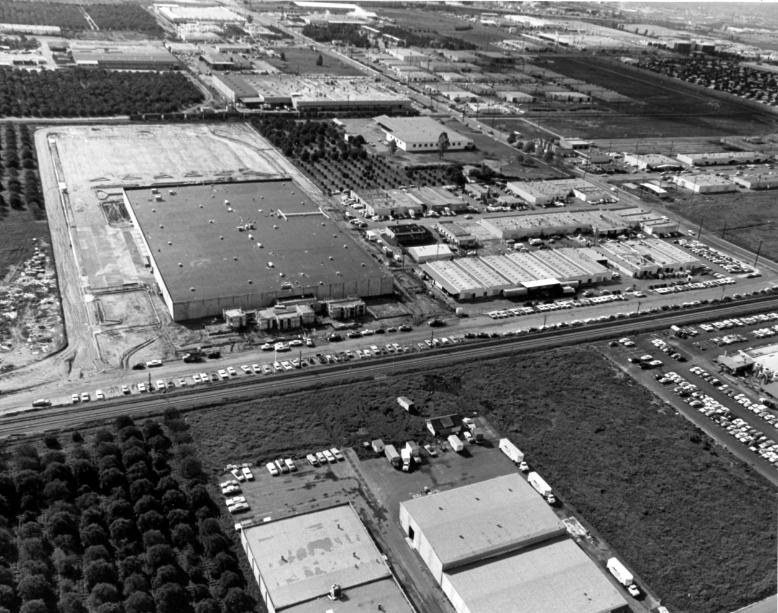
Around 1960 he took the guitar apart and refinished it in Candy Apple Blue. Other players began asking him to repaint and repair their instruments, and the work gradually became a trade.
Early 1970s
Refinishing work for Fender
Fender began sending Wayne out-of-warranty refinishing work. He also recovered amplifiers and electric pianos in Tolex and made regular trips to collect and return jobs.
The work gave him a close look at instruments after customers had already lived with them. Many liked the basic guitar but wanted a different finish, better hardware, a humbucker or some other change the factory did not offer.
1974
Charvel’s Guitar Repair opens
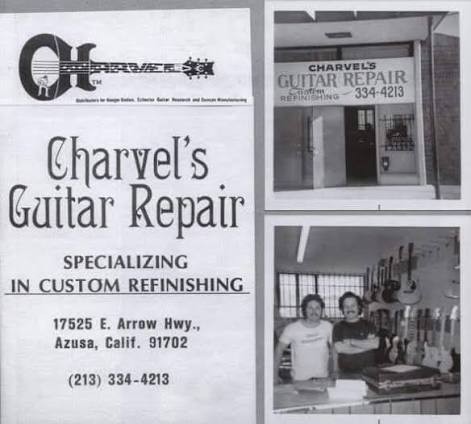
Wayne opened Charvel’s Guitar Repair in Azusa, California. The shop later moved to San Dimas, which is why that town became attached to the company’s best-known guitars.
The business handled repairs, refinishing and the custom work Fender was not set up to offer. Players brought in guitars they nearly liked, explained what was wrong with them and had Wayne change it.
1975–1977
Parts and kitchen-table guitar building
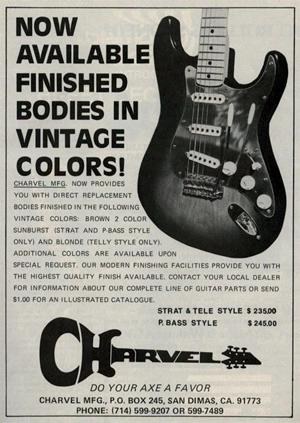
Charvel sold replacement bodies and necks from Boogie Bodies and Schecter, pickups from DiMarzio and improved hardware made from brass, aluminium and stainless steel.
Customers could bring a guitar into the shop or order the parts through the post and do the work themselves. It gave players access to combinations they could not buy complete from a manufacturer.
Mid-to-late 1970s
The people around the shop
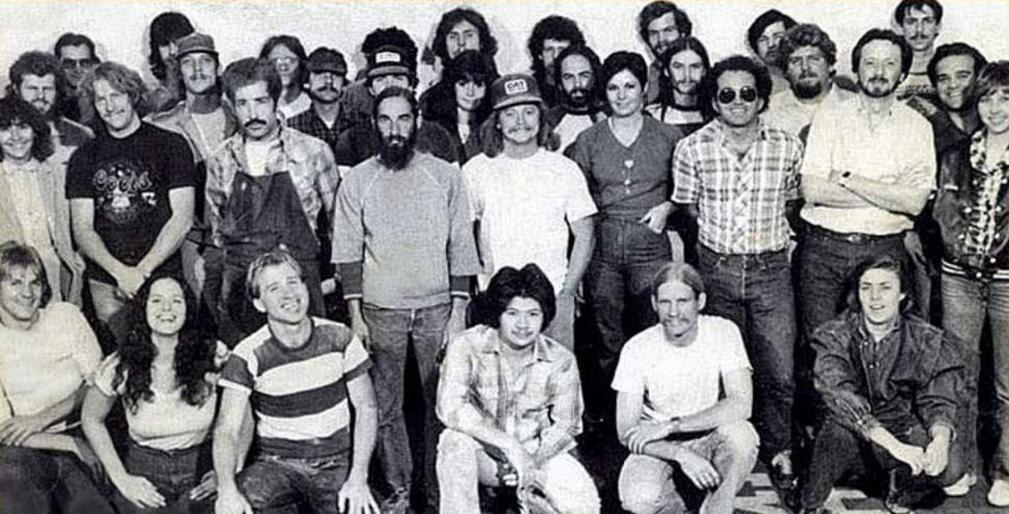
Karl Sandoval worked at Charvel before building Randy Rhoads’ polka-dot V. Grover Jackson arrived in 1977 and became involved in the business. Eddie Van Halen and Michael Anthony also spent time around the shop.
Parts came from several suppliers, employees handled different stages of the work and players often finished or modified the guitars themselves. That is one reason the history of some famous instruments remains difficult to straighten out.
1977–1978
The parts behind the Frankenstein
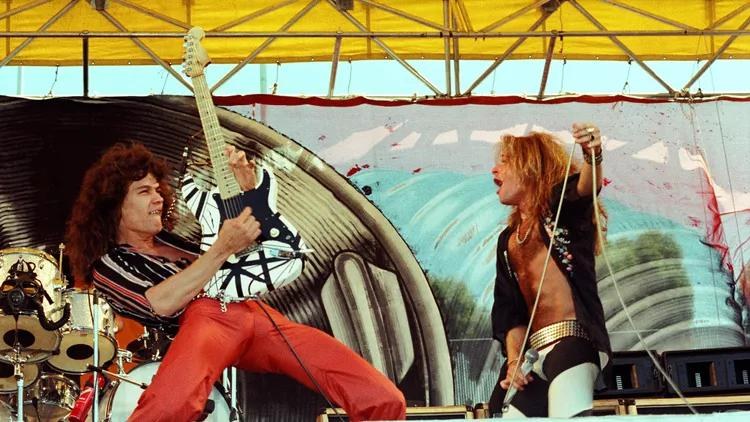
Eddie Van Halen asked Wayne whether he had a spare body and neck. A body and Boogie Bodies neck came through the Charvel shop, and Eddie assembled and modified the guitar himself.
He installed a Gibson-style humbucker, used a single volume control and painted the guitar at home. It first appeared in black and white before receiving the better-known red, white and black finish.
1978
The black-and-yellow Bumblebee
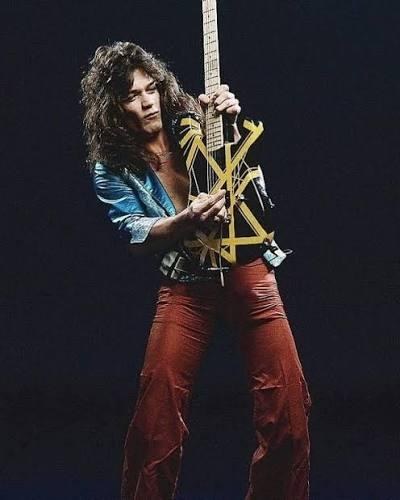
Eddie wanted an ash-bodied guitar with rear-loaded electronics so it would not need a pickguard. The guitar was commissioned through Wayne and the Charvel shop and built around Eddie’s requests.
Accounts differ over the neck, painting and exact division of the work. Eddie also changed the neck, pickup and tremolo later, which has made the surviving specifications harder to trace.
10 November 1978
Grover Jackson buys the company
The repair business was carrying substantial debt, and Wayne and Grover Jackson disagreed over how it should move into complete guitar production.
Jackson bought the company for about $40,000, including nearly $33,500 in debt. The Charvel guitars associated with the major rock and metal players of the 1980s came after Wayne had left.
Late 1970s–early 1980s
B.C. Rich and independent work
Wayne spent about a year working with Bernie Rico at B.C. Rich, contributing to design, pattern making and production methods.
He also built independently under names including the W.C. Guitar Company and Ritz Guitar Company. Some guitars from this period carry Redlands, California, neck plates rather than the surname he no longer owned commercially.

1983
ZZ Top’s Eliminator guitars
Wayne built Billy Gibbons and Dusty Hill matching instruments shaped like the 1933 Ford coupe used for the Eliminator artwork.
The wheel knock-offs acted as controls, and the tailpipes could blow smoke onstage. Dusty Hill’s surviving bass was later displayed at the Rock & Roll Hall of Fame.
1987–1988
The Gibson WRC
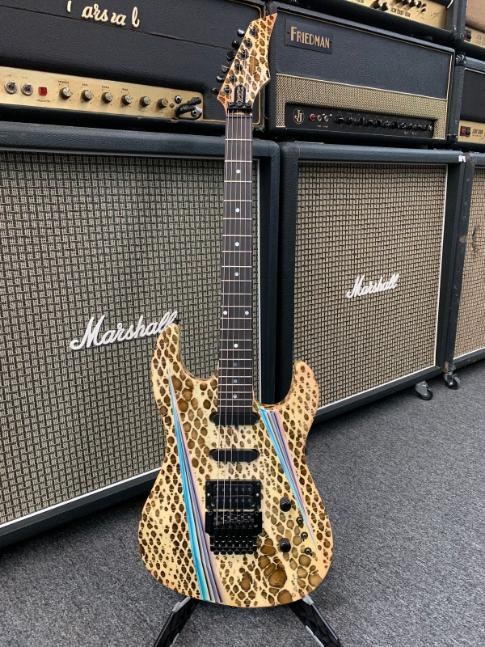
Wayne spent several years with Gibson in design and artist relations. The most recognisable result was the WRC, a high-output bolt-on guitar carrying his initials.
Early Showcase examples were numbered and signed by Wayne. The model also became part of a legal dispute over Gibson’s use of his name while Jackson/Charvel still owned the Charvel trademark.
Late 1980s
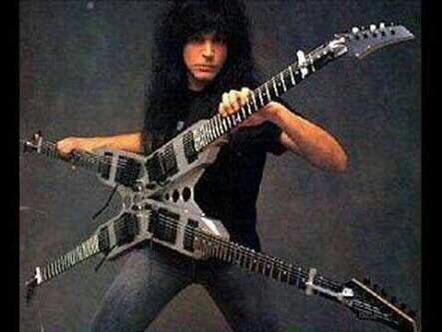
Michael Angelo Batio’s Quad Guitar
Michael Angelo Batio had already developed his double-guitar setup when his record label suggested he go one better than Steve Vai’s triple-neck instrument.
Batio designed the four-neck layout, and Wayne built it in connection with Gibson. The completed instrument was stolen after the second show of Nitro’s tour, with parts resurfacing years later.
1990s–2018
Wayne Guitars
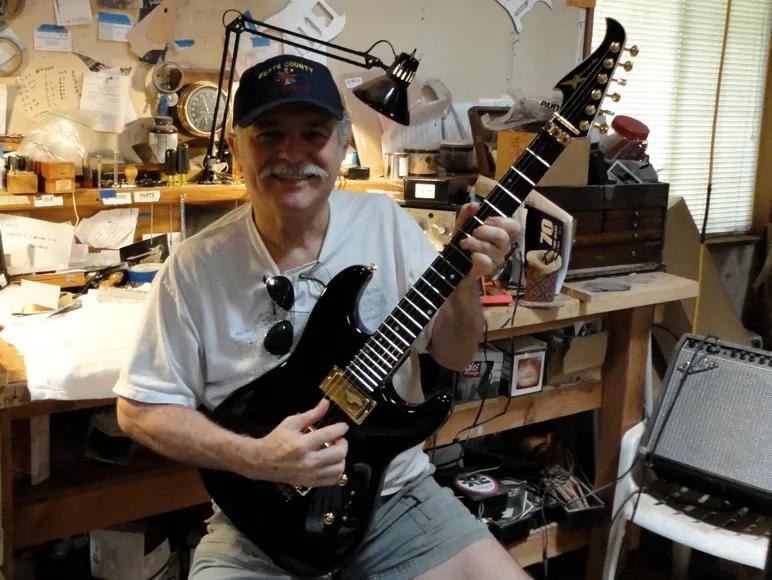
Wayne returned to small-scale building with his son Michael under the Wayne Guitars name.
The instruments were made in relatively small numbers and could be ordered with unusual finishes, neck shapes, pickup arrangements and hardware. It returned Wayne to working directly with individual players.
2018
The Camp Fire
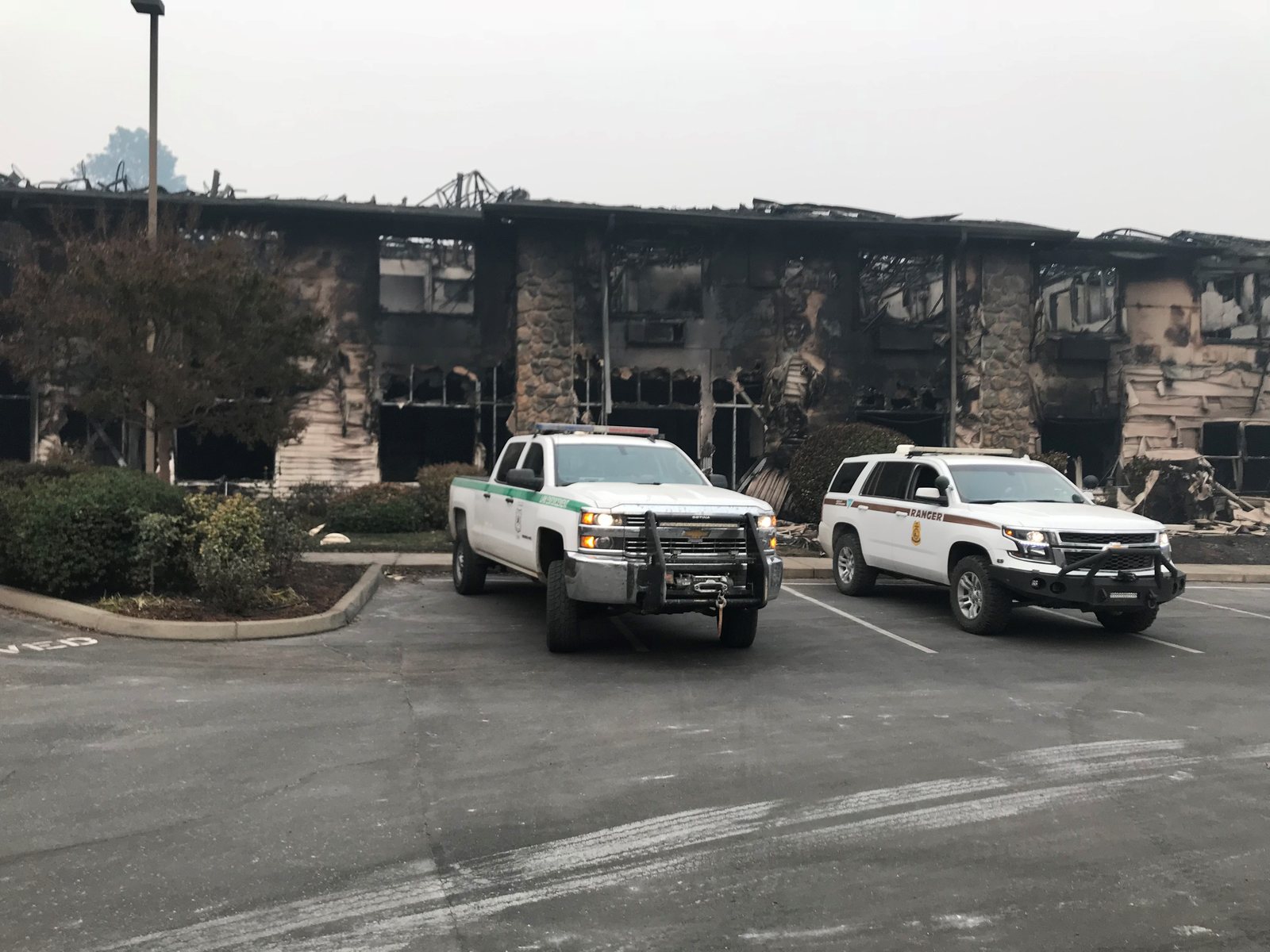
The Camp Fire destroyed Wayne and Michael’s workshop in Paradise, along with their homes and those of other family members.
Machinery, tools, timber and decades of company records were lost. The family continued operating afterwards, but much of the physical record of Wayne’s later work was gone.
2026
Wayne Charvel, 1941–2026
Wayne Charvel died on 12 July 2026 at the age of 85. He had spent more than sixty years refinishing, repairing, designing and building guitars, although only four of those years were spent running the company most closely associated with him.
My So-Cal was made in 2010, long after Wayne sold Charvel. It has no direct connection to his bench or his period of the company.
It is still the sort of guitar his shop was helping people put together in the 1970s: a familiar Strat-style body, a humbucker, better hardware and very little interest in leaving the factory specification alone.